Amla (Indian Gooseberry): Health Benefits, Uses & Natural Remedies
- Home
- /
- Ayurvedic Herbs & Ingredients
- /
- Amla (Indian Gooseberry): Health...

Amla (Phyllanthus emblica), or the Indian gooseberry, is not just another citrus fruit but a treasure house of natural remedies. Only 100 grams of fresh amla contains almost 600–700 milligrams of vitamin C, several times more than an orange and beyond the daily recommended intake for most adults. It also contains 2-3 grams of dietary fibre, potassium, calcium, and iron, as well as being rich in antioxidants to protect your body from daily stresses and maintain overall health.
For centuries, amla has been a crucial part of Ayurvedic medicine due to its ability to enhance digestive function and its immune-boosting qualities that nurture glowing skin and shiny hair. It’s versatile enough to work into daily life — consume it fresh, in juice form, dried and powdered, or steeped in oils for hair and skin. Even a small daily intake can have significant benefits for your health, so whether you enjoy it on sourdough in the morning, as a refreshing, invigorating juice, or served alongside your supper, try to make it a regular part of your diet.
In this blog, we will introduce the benefits of amla for health, practical ways to use it every day, and hints on how to blend this ancient superfruit into your day to unlock its natural benefits for a healthier, vibrant lifestyle.
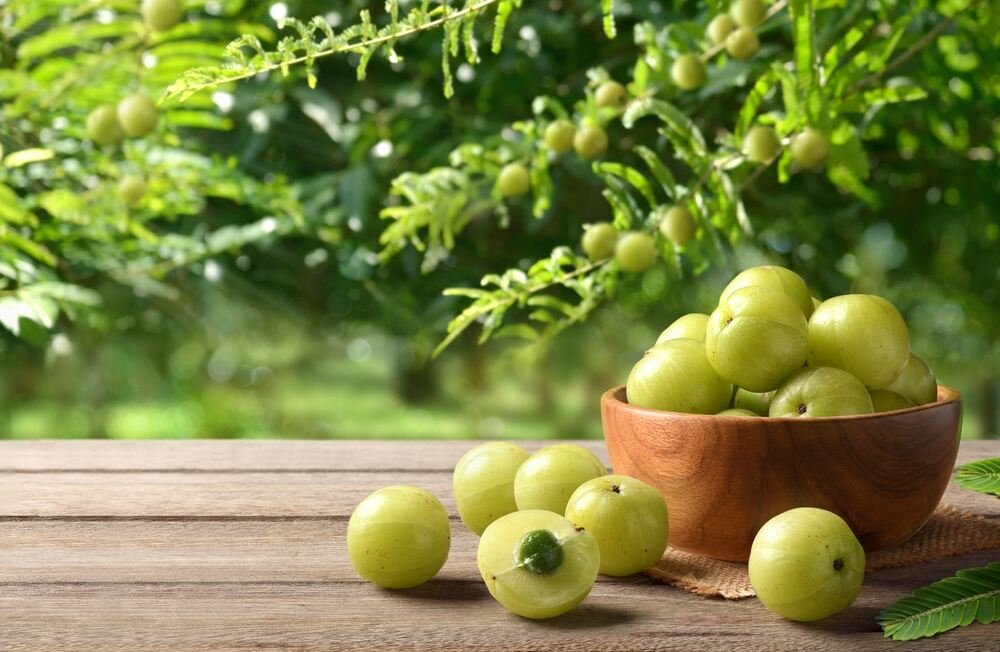
The Nutritional Power of Amla
Amla is a healthy fruit rich in vitamins, minerals, and different nutrients, making it a great addition to a healthy diet. It has a lot of essential nutrients and healthy compounds, such as:
- Vitamin C: Essential for maintaining strong immunity and making collagen for healthy skin and connective tissue, thus promoting overall wellness. Amla is one of the richest known natural sources of vitamin C, with more per serving than most citrus fruits.
- Antioxidants: Amla contains polyphenols and flavonoids, plant-based compounds that help reduce oxidative stress and protect cells from damage.
- Fibre: Fibres are indigestible carbohydrates found in plant-based foods that aid in the regulation of digestive health and support a healthy gut.
- Minerals: Gooseberries contain calcium, iron, phosphorus, and potassium, which help to support bone, heart, and overall body health.
- Low in Calories: Even though Amla is a highly nutrient-dense fruit, it has a very low calorie count, making it an excellent option for individuals trying to manage their weight.
These nutrients work collaboratively to provide the body with a powerful, complete source of nutrition that naturally enhances good health.
Health Benefits of Amla
1. Boosts Immunity
Amla is a rich source of vitamin C, which may help the body produce more white blood cells, an essential part of the immune system. Including amla in your diet may help your body fight infections, boost energy, and maintain resistance to common illnesses by supporting immune function.
2. Improves Digestion
Proper digestive health is essential to well-being, and gooseberries may support it. The fibre in it can help regulate bowel movements and promote a healthy gut. Amla is considered to have some alkaline properties, which may help with acidity and bloating. Consuming amla may support the body’s digestive processes and nutrient absorption.
3. Supports Heart Health
Antioxidants in amla may help reduce oxidative stress on the heart, thereby protecting the cardiovascular system’s arteries and tissues. Some studies suggest that regular amla consumption may be linked to healthier cholesterol levels and blood pressure. Amla’s potential anti-inflammatory properties also support heart health. Including this rich ingredient in your diet, such as by eating it raw or drinking its juice, is a natural way to support your heart health.
4. Enhances Skin Health
Amla’s nutritional properties may help support healthy skin. It contains vitamin C, which supports collagen production and enhances skin elasticity. The antioxidants in amla can help protect the skin from free-radical damage, which may slow visible signs of ageing. Some people use amla to support skin tone, support acne care, or use it as an external mask or scrub, though individual results can vary.
5. Promotes Hair Growth and Health
After eating this fruit daily, you will have positive effects on hair care as well. Many hair bands used it as a main ingredient in their product to support hair follicles, reduce hair loss, and prevent premature greying. Whether consumed or applied as an oil or juice, it can also help nourish the hair; individual results may differ. Using amla both internally and externally provides maximum benefit.
6. Supports Weight Management and Metabolism
It can support weight management because it has fibre, which helps you feel fuller longer. It also supports metabolism by helping your body digest fat and use nutrients more effectively. When combined with proper nutrition and regular exercise, amla is an effective tool for achieving and maintaining a healthy body weight.
7. Regulates Blood Sugar Levels
According to NIH research, amla (Indian Gooseberry) is a natural supplement that helps manage diabetes by lowering blood sugar levels, improving insulin sensitivity, reducing oxidative stress, and supporting heart and liver health. The fruit helps improve insulin response and makes it easier for the body to use glucose. Therefore, this fruit will be beneficial for people suffering from pre-diabetes and type 2 diabetes. Regularly consuming it as part of the diet or drinking its juice helps maintain steady energy levels throughout the day and relieves blood sugar fluctuations.
8. Detoxifies the Body
Amla can naturally detoxify your body because it contains a variety of antioxidants that help eliminate toxins through the liver and bloodstream, promoting better health for all the body’s internal organs. Naturally detoxify your system with this superfood, which can reduce oxidative stress, boost energy levels, and thus enhance overall vitality.
9. Supports Eye Health
You can enhance your eye health with its high levels of Vitamin C and carotenoid compounds. Its nutritional value may reduce the risk of developing cataracts later in life. Every age group can benefit from it, as regular consumption of amla helps maintain excellent eyesight and supports the functioning of our eyes.
10. Boosts Mental Health and Memory
Amla contains antioxidants that help protect neurones (brain cells) from damage by making sure they get enough blood flow, which helps the brain work better. Research on amla indicates that its consumption enhances memory and cognitive function, thereby diminishing the risk of cognitive decline with ageing. Eating or drinking amla regularly can help you focus better, think more clearly, and feel better overall.
How to Use Amla?
1. Fresh Amla: Eating the whole amla fruit is an easy way to benefit from its vitamins, minerals, and antioxidants. It can be eaten raw, added to salads, or made into chutneys for daily nourishment.
2. Amla Juice: Making juice out of it is a simple option for those who prefer not to eat the raw fruit. It is best consumed in the morning on an empty stomach to boost immunity, aid digestion, and support skin health. To improve the taste, add honey or other natural sweeteners while maintaining nutritional benefits.
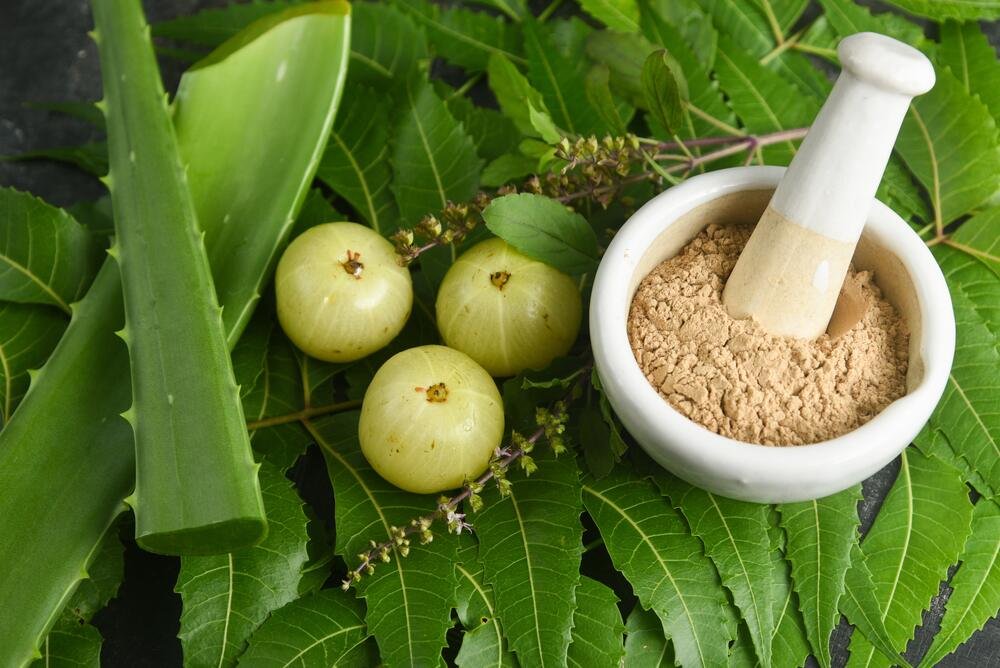
3. Amla Powder: Dried, crushed Amla fruit (powder form) can be consumed year-round and can easily be added to smoothies, made into a paste and mixed with water or honey, or sprinkled on food as a seasoning. The powder can be stored easily, allowing you to use it throughout the year, even when fresh fruit is not available.
4. Amla Oil: Amla oil is widely used for hair treatment by massaging it into the scalp. The oil can support and strengthen hair roots, reduce hair fall, and prevent hair greying. It can also be used as a natural remedy for dryness and dandruff. If used regularly, amla oil can help promote thicker, healthier hair in the long term.
5. Supplements: Amla can also be found in capsule or tablet form. These are a concentrated source of amla nutrients, making them a suitable option for people with busy lifestyles. However, be sure to follow the recommended dosages to avoid any side effects.
Tips for Incorporating Amla into Daily Life
- You can drink a small glass of amla juice daily before breakfast to increase your metabolism and support your immune system.
- Add amla powder to smoothies, cereal, yoghurt, or oatmeal.
- Combine raw fresh amla with salads, chutneys, or pickles for added nutritional value.
- Use amla oil in your hair care routine once or twice per week.
- Keep it refrigerated to preserve its nutrients.
- Try using amla products, such as candy, herbal tea, or jam/marmalade, to make it easier to use in your diet.
- Mix amla with superfoods like turmeric, ginger, or honey to boost its nutritional benefits.
With just a few minor adjustments, you can get the most out of incorporating amla into your daily routine without making drastic changes to your current lifestyle.
Precautions & Who Should Avoid Amla?
- Amla is generally safe when taken in moderation; however, excessive consumption may cause acidity or mild stomach problems.
- People suffering from acid reflux, ulcers, or sensitive stomachs should eat or drink amla in small quantities only.
- Pregnant and breastfeeding women should talk to their doctor before using concentrated amla supplements.
- Individuals taking blood-thinning medications should consult their doctor before consuming large amounts of Amla, as excess amounts may affect blood clotting.
Conclusion
Amla may seem small, but it can support your body’s health in various ways. Amla is known for its rich supply of vitamins, minerals, and antioxidants. This traditional Indian fruit (Indian Gooseberry) helps strengthen immunity, improve digestion, support heart health, and promote clear skin and strong hair. For generations, people have valued amla as a natural and direct way to maintain balance and vitality in everyday life.
One of the reasons amla stands out is its versatility, which makes it easy for you to blend it into your daily routine in many ways. You can eat it fresh, mix it as a powder, or drink it as juice. The benefits of Amla are immense; even small, regular servings can support better digestion, steady energy levels, and overall well-being. Amla supports long-term health by gently nourishing the body naturally when you consume or use it daily.
Learning about such natural foods helps us understand how traditional knowledge supports us even in this modern world. Institutions dedicated to Ayurveda continue to study and apply these principles, guiding people on how they can use remedies safely and effectively. At Arogyadham Ayurveda Treatment Centre, sharing this knowledge remains part of an ongoing effort to encourage mindful, natural approaches to traditional Ayurvedic medicine practices. We provide the tailored guidance you need to experience total well-being and lasting health.
Frequently Asked Questions
Q1. Can I eat amla every day?
Ans. Yes, consuming amla daily is generally safe for most individuals. You can take it daily as part of your routine to support immunity, digestion, and overall wellness. Those with a sensitive stomach can eat it in small amounts.
Q2. What is the best way to consume amla?
Ans. There are various ways to consume amla, including fresh, as juice, as powder, or as hair oils. Fresh amla offers significant health benefits; however, its juice and powder are convenient ways to consume it daily.
Q3. How much amla should I consume daily?
Ans. You may consume 1-2 pieces of fresh amla or 20-30ml of its juice daily. You can add a small teaspoon of amla powder, mixed with water or smoothies, to get the same health benefits.
Q4. Does amla help with hair growth?
Ans. Yes, consuming amla nourishes hair roots, strengthens hair follicles, prevents premature greying, and reduces hair loss. Additionally, using amla oil to massage your scalp will help to provide additional benefits.
Q5. Can amla improve skin health?
Ans. Yes, using amla will help to improve your skin. The Vitamin C and antioxidants in amla will help promote collagen production, thus reducing the signs of ageing and promoting healthy, glowing skin.

Intermittent Fasting Explained: Benefits & Truth
If you have ever tried to get healthy, lose a little bit of weight, or simply feel better in your own body, you already know how...

Healthy Digestion with Food, Yoga & Lifestyle
A healthy digestive system is the key to good health. It ensures nutrient absorption, drives metabolism, and produces energy. Poor...

5 Ayurvedic Secrets to Beat Work-from-Home Fatigue Naturally
Do you struggle to maintain emotional stability, feel restless, and get unnecessarily or unreasonably anxious sometimes, despite getting...

Seasonal Winter Soups to Balance Your Doshas
With the advent of winter comes celebrations and the spread of flu and colds. Many have the misconception that the winter season weakens...

Panchakarma: The Ultimate Ayurvedic Detox for Body and Mind
In today's fast-paced life, stress and poor dietary habits can quickly lead to physical and mental imbalances. India's ancient science of...