Intermittent Fasting Explained: Benefits & Truth
- Home
- /
- Lifestyle & Diet in...
- /
- Intermittent Fasting Explained: Benefits...
If you have ever tried to get healthy, lose a little bit of weight, or simply feel better in your own body, you already know how exhausting normal diets can be. Keeping track of every single calorie, weighing your food, and constantly worrying about portion sizes all day long can easily make you want to give up completely. It is tiring to always think about food. Because of this common frustration, millions of people have stopped worrying so much about exactly what they are eating and started focusing entirely on when they are eating.
Because of this, intermittent fasting has become incredibly popular. You might have seen it mentioned on the news or in health magazines. But despite how popular it is, the concept can still sound a little bit confusing or even scary at first. Today, we are going to walk through the true intermittent fasting meaning, look closely at what real doctors and science actually say, and figure out if this style of eating is a good and safe choice for your body.
What Exactly Does It Mean?
To put it in the simplest words possible, the meaning of intermittent fasting is just an eating pattern where you cycle between periods of eating and periods of not eating. It is actually not a traditional diet at all. A normal diet tells you exactly which foods you are allowed to put on your plate and which ones you must avoid. This method is completely different. It only tells you the specific times of the day when you should be eating your meals.
Think about it this way: our human bodies were naturally designed to go without food for certain stretches of time. Long before grocery stores, fast food restaurants, and refrigerators existed, our ancestors sometimes went days without eating simply because food was not always available. They had to hunt and gather, and sometimes they came up empty-handed. Because of this, our bodies learned how to survive and even thrive without a constant supply of food. Fasting gives your stomach and your entire digestive system a much-needed break so your body can focus on healing itself instead of constantly working to break down heavy meals.
How Does It Actually Work?
To understand why this works, let’s look at some basic science. According to researchers at Johns Hopkins Medicine, the process is very natural. When you eat a meal, your body breaks down that food and uses it for energy. If you eat three meals a day plus snacks, your body is always running on the food you just ate.

However, when you go for many hours without eating, your body eventually runs out of that easily available energy. Once that sugar is completely gone, your body has no choice but to start burning its own stored fat to keep you going. By giving your body a long break from eating, you are simply flipping a biological switch. You are telling your body to stop storing fat and start burning it instead.
The Most Popular Schedules
There are a few different ways to set up your intermittent fasting schedule. You do not have to follow a strict rule that makes you feel miserable or restless. You can easily choose the routine that fits best into your normal daily life, your job, and your family time. Here are the most common intermittent fasting times that people use to get started safely:
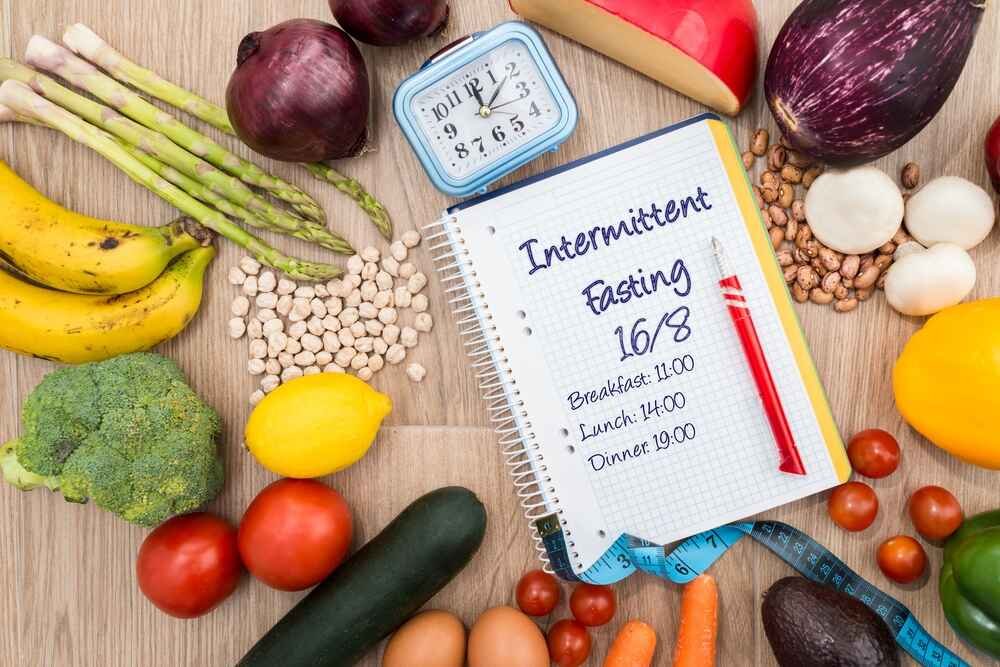
- The 16/8 Method: This is the most popular way to do it. You fast for 16 hours straight and eat all your meals during an 8-hour window. For example, you might eat all your meals between noon and 8:00 PM, and then you skip breakfast the next morning.
- The 14/10 Method: You fast for 14 hours and eat your meals within a 10-hour window. This is a very gentle way to start, and it is great for beginners who just want to get used to the idea of fasting.
- The 5:2 Method: With this plan, you eat totally normally for five days of the week. Then, on the other two days, you eat very little, usually around 500 to 600 calories.
- Eat-Stop-Eat: You take a break from eating for a full 24 hours once or twice a week. For example, you might eat dinner on Monday night and then not eat again until dinner on Tuesday night.
Using It to Burn Fat
A lot of people start looking into this eating pattern simply because they want to shed some extra weight. Using intermittent fasting for weight loss works really well for two main reasons. First, by keeping your eating to a smaller window of time, you usually end up eating fewer calories without even trying. You are simply cutting out late-night snacks and extra meals.
Second, the changes in your hormones make it easier to lose fat. A major review of studies published in 2014 found that people using this method lost 3 to 8 percent of their body weight over a period of 3 to 24 weeks. In the medical world, that is actually a very large amount of weight loss compared to standard diets. It showed that people lost harmful belly fat, which is the type of fat that causes disease to build up around your organs.
The Real Science-Backed Benefits
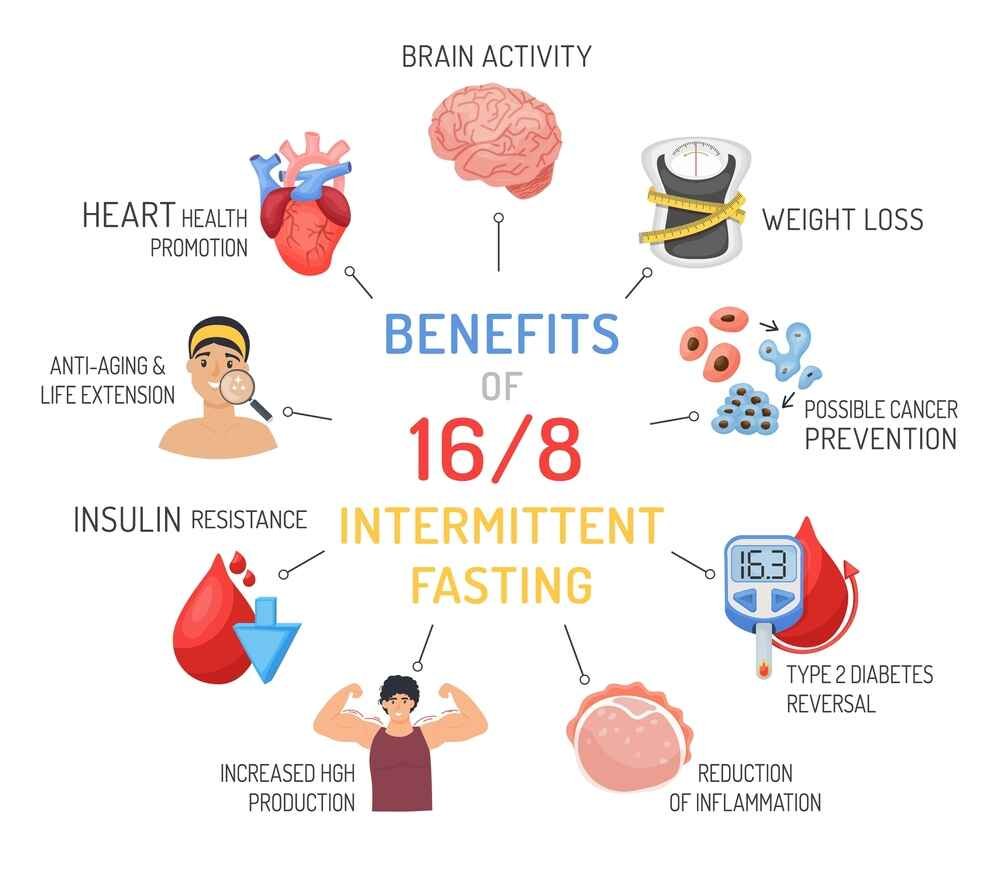
While losing weight is a great reason to start, the real intermittent fasting benefits go way beyond how your clothes fit. Studies published by medical authorities, including the prestigious New England Journal of Medicine in 2019, show that taking regular breaks from eating can do amazing things for your long-term health.
- It Heals Your Cells: When you fast, your body starts a cleaning process. It actually cleans out old, damaged cells and proteins, making room for fresh, healthy new ones. Doctors call this process the cell cleaning process, and it helps protect you against aging and certain diseases.
- It Keeps Your Heart Healthy: Regular fasting has been shown in human studies to help lower bad cholesterol, blood triglycerides, and inflammatory markers, all of which keeps your blood pressure steady and your heart strong.
- It Lowers Diabetes Risk: It helps control your blood sugar levels and lowers insulin resistance. This means your body gets better at handling sugar, which naturally lowers your risk of developing type 2 diabetes.
- It Makes Your Brain Sharper And More Active: Giving your stomach a break helps reduce inflammation in the body, which can improve your memory and clear up that annoying brain fog. Animal studies even suggest it may protect against Alzheimer’s disease.
What Should You Be Eating?
Even though this eating pattern does not tell you exactly what foods to eat, you still need to make smart and healthy choices. You cannot eat junk food, fried meals, and sugary treats all day long during your eating window and still expect to see good changes in your body.
A proper intermittent fasting diet should be filled with wholesome, real foods that nourish you. You want to make sure you are eating plenty of fresh vegetables, good lean proteins like beans, lentils, fish, or chicken, and healthy fats like nuts, avocados, and olive oil. Eating highly nutritious food during your eating window ensures you get all the vitamins and minerals you need to stay energized during your fasting hours.
Also, remember that fasting does not mean going without water. You need to drink plenty of plain water while you are fasting to stay properly hydrated. You can also drink black coffee or plain tea without any added sugar or milk. Staying hydrated actually helps keep your stomach from rumbling when you first start out.
Real Expectations and Results
Everyone always wants to know how fast they will actually see their intermittent fasting results. The honest truth is that every single human body is different, so it will not happen overnight. You might notice that your stomach feels a lot less bloated and your energy feels more stable within the first few days. However, real weight loss and deep internal healing take a little bit of time.
You need to be patient with yourself and give your body a few weeks to get used to this brand new routine. Sometimes people feel a little bit grumpy or tired during the first week because their body is learning how to switch from burning food to burning stored fat. This usually goes away very quickly.
A Few Simple Mistakes to Avoid
If you decide to give this a try, there are a few common mistakes you should try to avoid making so you can have a good experience.
- Do Not Eat Too Much Too Fast: When your eating window finally opens, it is tempting to eat a massive meal very quickly. This will just give you a stomachache. Break your fast slowly with a normal, healthy meal.
- Do Not Forget Your Water: People often forget to drink water when they are not eating food. Keep a water bottle with you all day long.
- Do Not Be Too Hard on Yourself: If you get invited to a late dinner with friends and it messes up your fasting window, it is okay. Just go back to your normal schedule the next day. Life happens, and you should not let fasting ruin your social life.

Starting Your Intermittent Fasting Journey
If you are feeling inspired to take control of your health and want to explore a natural whole-body approach, natural ways to heal your body, having the right guidance makes all the difference in the world. Learning how to eat well, manage stress, and use natural therapies can completely change how you feel every day. You can find wonderful resources, authentic advice, and expert support to guide you on your wellness journey by visiting Arogyadham Ayurveda Treatment Centre.
Taking small, steady, and informed steps today is the absolute best way to build a healthier and fitter version of you for tomorrow.
Read More: Amla (Indian Gooseberry): Health Benefits, Uses & Natural Remedies
Conclusion
Changing when you eat is a simple, natural way to give your digestive system a break and help your body run more smoothly. It takes a little patience to get used to, but building this daily routine can make you feel healthier and more energetic without the stress of strict rules.
FAQs
1. Is intermittent fasting safe for absolutely everyone?
No, it is not. While it is very safe for most healthy adults, pregnant women, growing kids, and people taking certain daily medicines should skip it or talk to a doctor first.
2. Can I drink water or coffee during my fasting hours?
Yes, you definitely can. You actually need to drink plenty of plain water. You can also have black coffee or plain tea, just make sure you do not add any milk, cream, or sugar.
3. Will I see weight loss results right away?
No, it does not happen overnight. You might feel less bloated and have better energy in just a few days, but real, visible weight loss usually takes a few weeks to show up.
4. Do I need to follow a super strict diet while doing this?
No, you do not need a crazy strict diet. But to actually feel good and see real changes, you still need to eat healthy, normal meals instead of junk food when it is time to eat.
5. Is there an easy way for a total beginner to start fasting?
Yes, the 14/10 method is the absolute easiest way to start. You just take a break from eating for 14 hours (mostly while you are sleeping) and eat your normal meals during a comfortable 10-hour window.

नींद नहीं आती? आयुर्वेद से अनिद्रा Insomnia का इलाज कैसे करें?
आज के समय में “नींद नहीं आना” एक बहुत ही आम समस्या बन चुकी है। पहले यह परेशानी सिर्फ उम्रदराज लोगों तक सीमित थी, लेकिन अब युवा, कामकाजी...

Amla (Indian Gooseberry): Health Benefits, Uses & Natural Remedies
Amla (Phyllanthus emblica), or the Indian gooseberry, is not just another citrus fruit but a treasure house of natural remedies. Only 100...

Healthy Digestion with Food, Yoga & Lifestyle
A healthy digestive system is the key to good health. It ensures nutrient absorption, drives metabolism, and produces energy. Poor...

5 Ayurvedic Secrets to Beat Work-from-Home Fatigue Naturally
Do you struggle to maintain emotional stability, feel restless, and get unnecessarily or unreasonably anxious sometimes, despite getting...

Seasonal Winter Soups to Balance Your Doshas
With the advent of winter comes celebrations and the spread of flu and colds. Many have the misconception that the winter season weakens...