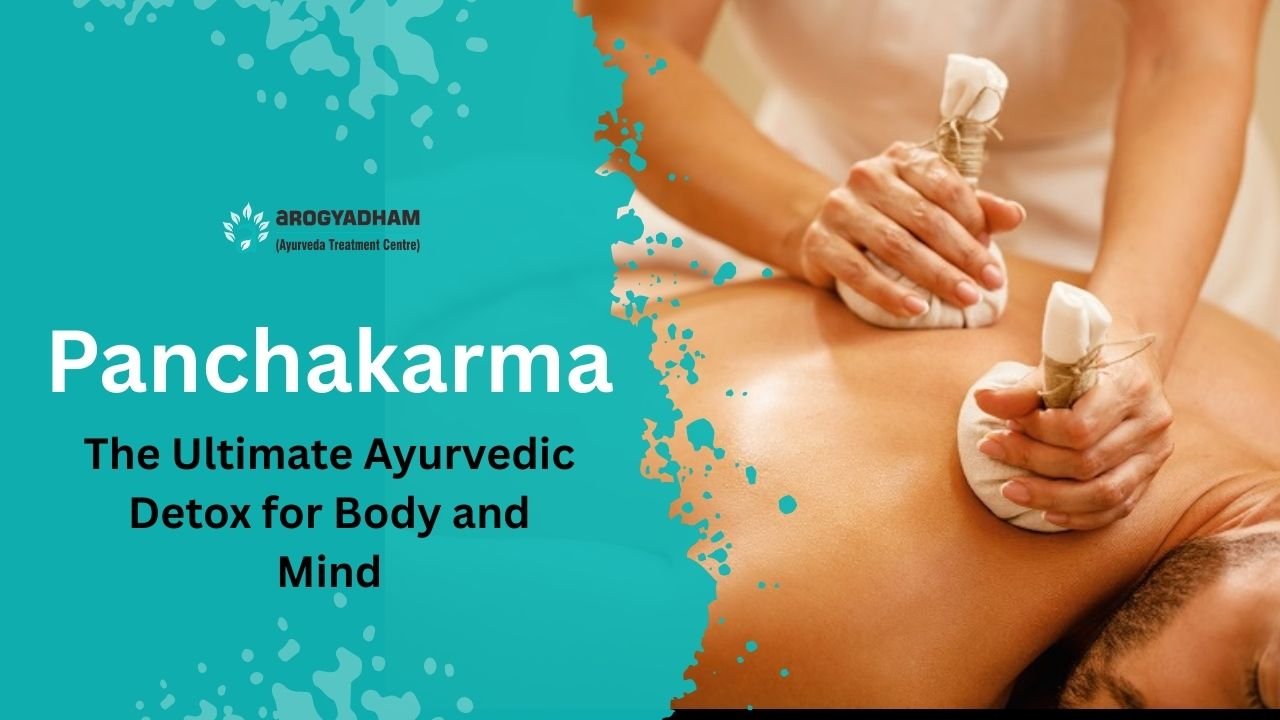
Panchakarma: The Ultimate Ayurvedic Detox for Body and Mind
- Home
- /
- Skin & Beauty Care
- /
- Panchakarma: The Ultimate Ayurvedic...
In today’s fast-paced life, stress and poor dietary habits can quickly lead to physical and mental imbalances. India’s ancient science of life, called Ayurveda, offers a profound solution known as Panchakarma – a comprehensive body detoxification treatment that maintains a sound balance of body and mind. Unlike many so-called “cleanses”, Panchakarma is a more profound and permanent treatment, flushing out stored toxins and recharging the body.
What is Panchakarma?
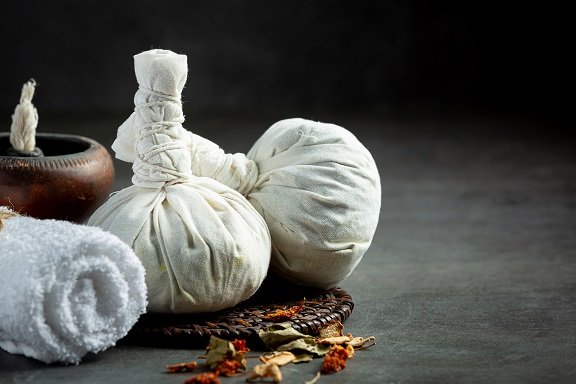
Panchakarma is a Sanskrit word that means “five actions”. These five sets of treatments are designed to remove impurities that are deeply embedded within the body and restore the natural rhythm. Based on the ancient healing system of Ayurveda, Panchakarma is Ayurveda’s most potent tool for healing and detoxifying the body and mind.
Why Detoxification is Important for Health
We live in an age where we eat a lot of processed food, suffer from environmental and emotional pollution, and are tortured by stress and sedentary lifestyles – over time, these factors cause a build-up of ama. And while trendy detox drinks or diets are what many turn to, these diets usually only offer temporary relief. Panchakarma extends beyond the digestive system, scouring toxins from tissues, organs, and even the mind.
The Philosophy Behind Panchakarma
According to Ayurveda, health is a manifestation of all doshas (Vata, Pitta, and Kapha) in equilibrium. Anything that interferes with those produces diseases. Panchakarma is more than a physical cleanse; it observes and rebuilds the body’s natural intelligence (physiology) so that secretions can be secreted, excretions can be excreted, and channels can open and close.
Key Benefits of Panchakarma
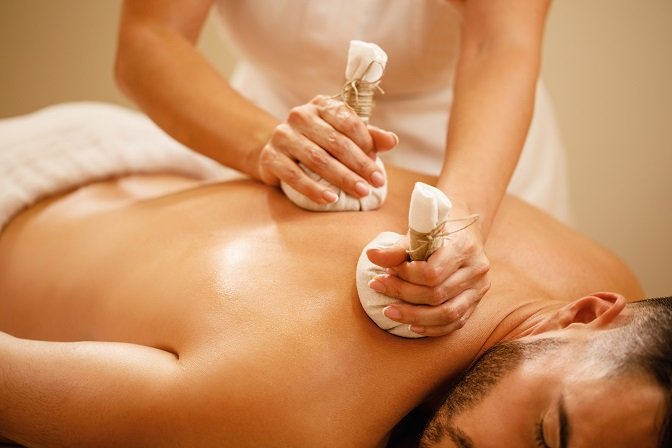
- One of the main benefits of panchkarma is that it supports digestion, immune function, skin health, and weight management.
- It relieves stress, enhances attention, and soothes the nervous system.
- Helps in controlling chronic illnesses such as arthritis, allergies, migraines, and hormonal imbalances.
The Five Principal Techniques of Panchakarma
- Vamana: This practice is designed to eliminate Pitta and Kapha from the body, and it also aids in clearing respiratory issues.
- Virechana (Purgation Therapy) – Removes toxic pitta from the liver and intestines.
- Basti (Medicated Enema): It is the best treatment for Vata imbalance, facilitating detoxification & rejuvenation and promoting a healthy gut and overall body vitality.
- Nasya (Nasal Treatment): Eliminates toxins from the head region, enhancing memory and concentration and alleviating sinus concerns.
- Raktamokshan (Blood Letting): A detoxification procedure for skin diseases, infections, and blood-related diseases.
Preparatory Steps Before Panchakarma (Purvakarma)
Before the main procedures, two steps prepare the body:
- Snehana (Oil Treatments): Use of medicated oils internally and externally to lubricate and soften up physical and mental toxins.
- Swedana (sweating treatment): Sweating treatment to move toxins towards the digestive tract for elimination.
Diet and Lifestyle During Panchakarma
Simple food is an important aspect of Panchakarma. It is recommended that a person eat light, sattvic food such as khichdi, herbal teas, and soups. Things like rigorous exercise, late nights, or very stressful work are going to be off limits to allow your body to recover completely.

Who Should Consider Panchakarma?
Anyone who feels fatigued, toxic, obese, or stressed, with chronic pain, or living an imbalanced lifestyle, can use Panchakarma. Additionally, it is useful for seasonal changes and long-term illness.
Contraindications of Panchakarma
While it is effective, Panchakarma is inadvisable during pregnancy, when strength is depleted, or when age is advanced and without adequate supervision, or right after the surgery. Visiting a registered Ayurveda doctor is preferable before you start treating yourself.
Panchakarma for Modern-Day Stress and Anxiety
One of the greatest benefits of Panchakarma lies in its ability to calm the mind. Through therapies such as Shirodhara (oil poured on the forehead) and Abhyanga (massage with oil) it lowers cortisol, enhances sleep, and releases suppressed emotions.
Scientific Research on Panchakarma
Several studies suggest that Panchakarma reduces oxidative stress, improves metabolic functions, and enhances immunity. Research also shows that it lowers cholesterol and supports detoxification at a cellular level, proving its relevance in modern healthcare.
How Often Should Panchakarma Be Done?
Panchakarma is traditionally done at every season change, or at least once a year. Others – based on health and also lifestyle – may need it biannually.
Panchakarma at Home vs. Ayurvedic Centers
Some people try to follow a Panchakarma-inspired routine at home by practising oil massage, light detox diets, or herbal remedies. These measures may be of some little use, but these are the substitutions; they are not Panchakarma practices. Genuine Panchakarma treatments are intricate detoxification therapies that should be closely supervised by trained Ayurvedic physicians.
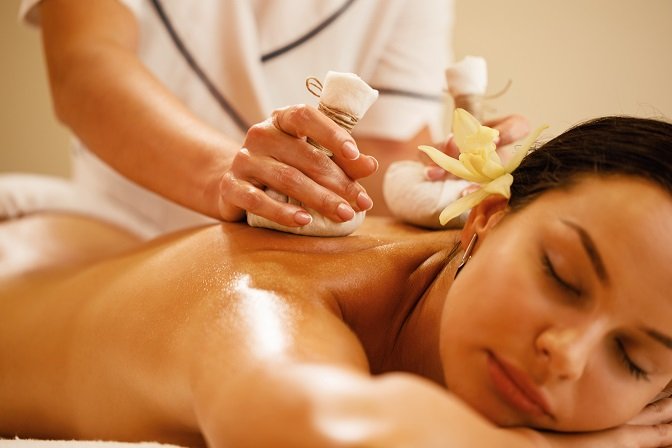
When done at home without guidance, there is a risk of imbalance because each procedure is designed based on an individual’s unique dosha constitution, age, and health condition. An Ayurvedic centre ensures a proper assessment, correct therapies, and safe progression through each stage of panchakarma. Under expert care, the body and mind are given the right environment—calm, nurturing, and disciplined—to achieve the full benefits of detoxification. This is why most people experience more powerful and lasting results when they choose a professional Ayurvedic centre for Panchakarma rather than attempting it on their own.
Panchakarma at Arogyadham
At Arogyadham Ayurveda Treatment Centre, Panchakarma is carried out in its most authentic form, following the age-old principles of Ayurveda. Before beginning treatment, every individual undergoes a detailed consultation with experienced Ayurvedic doctors such as Dr. Rakesh Agarwal, Dr. Amrit Raj, and Dr. Arjun Raj, who carefully cross-check and study the patient’s health history, lifestyle, and dosha balance, and a customised Panchakarma plan is designed, ensuring that the therapies suit the body’s natural constitution and specific needs.
The centre has a very peaceful and healing ambience for patients to be able to relax and concentrate, which we should have during the process of panchakarma. Such therapies, such as Shirodhara (a method of applying warm oil for mental relaxation), Abhyanga (therapeutic oil massage), Basti (medicated enema), and other detoxification therapies, are carried out under strict medical supervision.
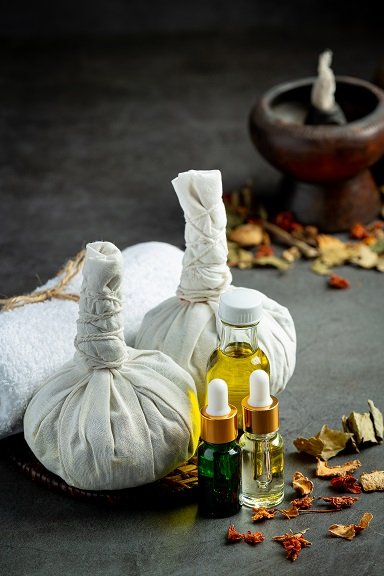
What makes Arogyadham Ayurveda Treatment Centre stand out is the combination of traditional Ayurvedic wisdom and modern healthcare practices. With the guidance of its highly respected doctors and a compassionate team, patients receive holistic care that nurtures both the body and mind.
Choosing Panchakarma at Arogyadham Health means starting a journey of deep cleansing, healing, and long-term wellness, guided by experts who truly understand and live by the principles of Ayurveda.
Also Read – Boost Your Immunity with Sunlight: Best Time for Vitamin D
Conclusion
Panchakarma is more than just a detox; it is a complete and thorough body and mind restoration through which the body is brought back into balance, and natural health and beauty are restored. In this day and age of toxin overload and excess stress, this age-old Ayurvedic ritual is a simple, natural, holistic way of restoring health and peace. Properly guided, panchakarma has the power to transform the way we live and think about being well.
नींद नहीं आती? आयुर्वेद से अनिद्रा Insomnia का इलाज कैसे करें?
आज के समय में “नींद नहीं आना” एक बहुत ही आम समस्या बन चुकी है। पहले यह परेशानी सिर्फ उम्रदराज लोगों तक सीमित थी, लेकिन अब युवा, कामकाजी...
Intermittent Fasting Explained: Benefits & Truth
If you have ever tried to get healthy, lose a little bit of weight, or simply feel better in your own body, you already know how...

Amla (Indian Gooseberry): Health Benefits, Uses & Natural Remedies
Amla (Phyllanthus emblica), or the Indian gooseberry, is not just another citrus fruit but a treasure house of natural remedies. Only 100...

Healthy Digestion with Food, Yoga & Lifestyle
A healthy digestive system is the key to good health. It ensures nutrient absorption, drives metabolism, and produces energy. Poor...
5 Ayurvedic Secrets to Beat Work-from-Home Fatigue Naturally
Do you struggle to maintain emotional stability, feel restless, and get unnecessarily or unreasonably anxious sometimes, despite getting...