What Is Moringa? Benefits, Uses & Side Effects Explained the Ayurvedic Way
- Home
- /
- Ayurvedic Herbs & Ingredients
- /
- What Is Moringa? Benefits,...
Moringa (Moringa oleifera) is a fast-growing, drought-tolerant tree whose leaves, pods, and seeds have been used across India for over 2,000 years; the leaves alone are recorded in the Charaka and Sushruta Samhitas under the Sanskrit name Shigru. The leaf powder is prized for vitamin A, vitamin C, iron, calcium and plant protein, and modern research links it to lower inflammation, steadier blood sugar, and cholesterol support. In Ayurveda it’s classed as pungent-bitter in taste and heating in potency, good for balancing Kapha and Vata, but something Pitta-dominant individuals should use in smaller amounts. Typical safe intake is 1–2 teaspoons of leaf powder a day, started slowly.
Every year a new green superfood powder shows up in health-store aisles with big promises, and most of them quietly disappear within a season. Moringa is the exception, not because a marketing team got behind it, but because it never actually left. Families across northern and southern India have kept a moringa tree in the courtyard for generations, using the leaves in dals and the pods in sambar long before “superfood” was a word anyone used.
This guide walks through what moringa actually does, how Ayurveda has classified it for centuries, and where it fits (and doesn’t) into a daily routine.
What Is Moringa?
Moringa oleifera is native to the sub-Himalayan regions of India and thrives in exactly the conditions that would kill most crops: poor soil, low rainfall, intense heat. That resilience is part of why it earned the nickname “the Miracle Tree”: a single tree can keep producing edible, nutrient-dense leaves through a dry season when little else in the garden survives.
In Ayurveda, moringa isn’t a recent addition. It appears in classical texts as Shigru, a name that roughly translates to “moves like an arrow” — a reference to how quickly it’s said to penetrate the body’s tissues (dhatus) and clear stagnation. Its properties, as described in traditional texts:
| Ayurvedic Property | Classification |
|---|---|
| Rasa (Taste) | Katu (pungent), Tikta (bitter) |
| Virya (Potency) | Ushna (heating) |
| Vipaka (Post-digestive effect) | Katu (pungent) |
| Guna (Qualities) | Laghu (light), Ruksha (dry), Tikshna (sharp) |
| Dosha effect | Pacifies Kapha and Vata; can aggravate Pitta in excess |
This is worth knowing before you add it to your routine; a herb that’s ideal for one body constitution (prakriti) isn’t automatically right for another. If you’re not sure which category you fall into, that’s exactly the kind of question an Ayurvedic consultation is built to answer.
Moringa vs. Wheatgrass vs. Matcha
People often lump these three green powders together, but they behave quite differently in the body.
| Feature | Moringa | Wheatgrass | Matcha |
|---|---|---|---|
| What it is | Ground leaves of a tropical tree | Young shoots of the wheat plant | Shade-grown, stone-ground green tea |
| Main strength | Broad-spectrum nutrition | Chlorophyll-driven detox | Focused energy + metabolism |
| Caffeine | None | None | Yes (roughly 35 mg/g) |
| Standout nutrients | Vitamin A, Vitamin C, calcium | Chlorophyll (~70% of composition) | EGCG, L-theanine |
| Digestive effect | High fibre, supports regularity | Alkalizing, eases bloating | Mild stimulant effect on digestion |
| Taste | Earthy, mildly peppery | Sharp, grassy | Umami, slightly bitter |
| Best time | Flexible — morning or evening | Morning, empty stomach | Morning to early afternoon |
How the Moringa Tree Is Used?
Very little of this tree goes to waste, which is part of why it’s called the miracle tree:
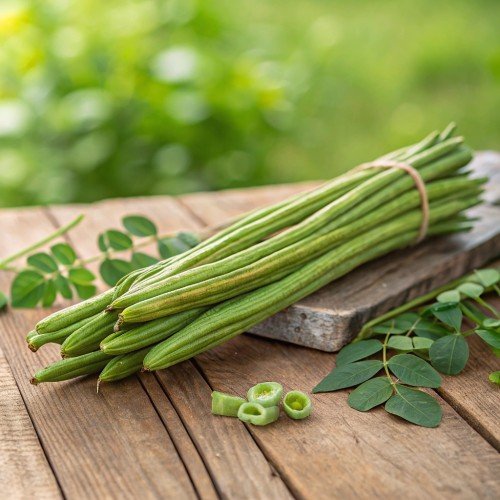
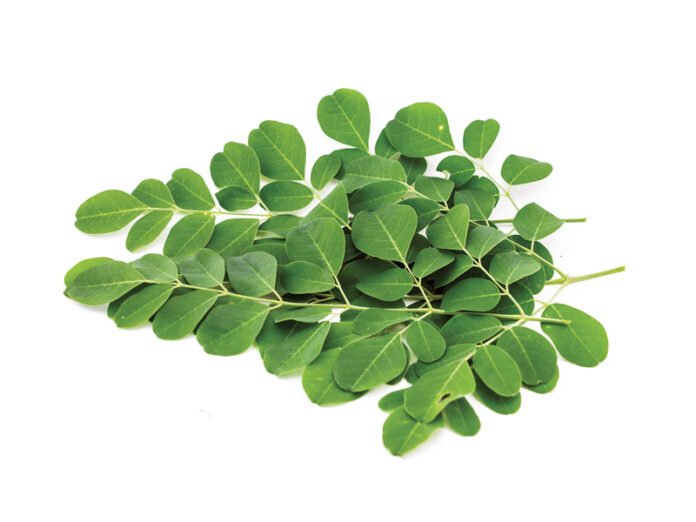
- Leaves — dried at low temperature and ground into powder; the most nutrient-dense and most commonly used part.
- Pods (drumsticks) — cooked as a vegetable when young and tender; a staple in sambar and South Indian curries, rich in vitamin C.
- Seeds — pressed for moringa (ben) oil once the pods mature, or traditionally used to help clarify drinking water.
- Roots and bark — used only in classical Ayurvedic formulations under supervision. They contain naturally occurring alkaloids and should never be self-prescribed or eaten as food.
8 Benefits of Moringa
1. A whole-food source of vitamins and minerals
A serving of moringa leaves provides vitamin A, vitamin C, B-vitamins (including B6), and minerals like calcium, iron, magnesium, and zinc. It won’t replace a varied diet, but as a daily top-up it’s one of the more nutrient-dense single plants available.
2. A rare plant source of complete amino acids
Moringa leaves contain around 18 amino acids, including several the body can’t produce on its own. That makes it genuinely useful for vegetarians and vegans looking to round out their protein intake, though it’s a supplement to dietary protein, not a replacement for dal, legumes, or dairy.
3. May help calm chronic low-grade inflammation
Modern life — poor sleep, processed food, chronic stress- keeps the body’s inflammatory response switched on longer than it should be, which over time is associated with joint pain and cardiovascular strain. Moringa’s isothiocyanates and flavonoids have shown anti-inflammatory activity in lab and animal studies, and Ayurveda has independently used Shigru for joint conditions like Amavata and Sandhivata for centuries.
4. A solid source of antioxidants
Moringa leaves contain vitamin C, beta-carotene, quercetin, and chlorogenic acid — compounds that help the body manage oxidative stress from pollution, fried food, and everyday metabolism.
5. Supportive role in blood sugar management
Several small clinical studies, including research published in the Journal of Food Science and Technology, have found moringa leaf powder can help lower blood glucose in people with diabetes. It’s a supportive addition alongside medical treatment, not a replacement for it — if you’re managing diabetes, this is worth discussing with your doctor before adding moringa daily. (You can also read our Ayurvedic approach to diabetes management for a broader picture.)
6. Some support for healthy cholesterol levels
A handful of studies suggest regular moringa intake may help improve cholesterol markers, though the evidence is still early-stage compared to larger, well-established interventions. At Arogyadham, we typically use moringa as one part of a broader Ayurvedic protocol for high cholesterol, diet, herbs, and lifestyle together, not any single ingredient in isolation.
7. Liver support
Moringa leaves are rich in polyphenols, plant compounds studied for their role in protecting liver cells from oxidative damage. This aligns with its traditional Ayurvedic use as a detoxifying, blood-cleansing herb.
8. Skin and hair benefits
Vitamin A and C support skin cell turnover and collagen production, while moringa’s antioxidant load may help reduce the visible effects of everyday environmental stress on hair and skin.
Forms of Moringa Available
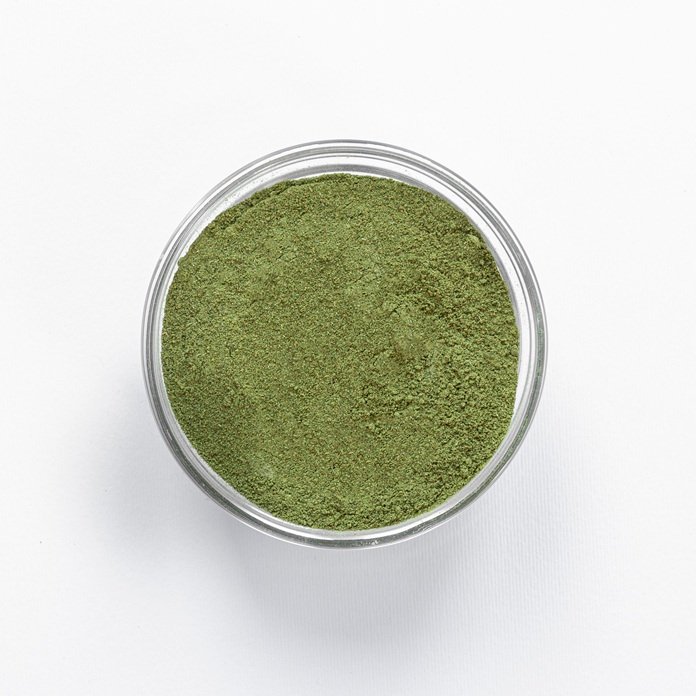
- Leaf powder — the most complete form nutritionally; earthy, slightly peppery taste, best stirred into smoothies, dal, or soup at the end of cooking.
- Capsules — convenient and tasteless, though you’ll often need 4–6 a day to match one teaspoon of powder.
- Tea — a light, caffeine-free option, but you lose a meaningful share of the vitamins and minerals left behind in the discarded leaves.
- Moringa (ben) oil — pressed from seeds, used topically for skin and hair, not for internal nutrition.
Also Read: 10 Awesome Benefits Of Ashwagandha You Probably Did Not Know!
Side Effects and Who Should Be Cautious
Moringa leaf and leaf powder are safe for most healthy adults in normal food-level amounts. Problems tend to show up with overuse or in specific health situations:
- Digestive upset — bloating, gas, or loose stools when starting out, since the fibre content is high. Start with a small amount and build up.
- Low blood sugar or blood pressure — moringa can lower both. If you’re already on medication for diabetes or hypertension, combining it without medical guidance can push levels too low.
- Pregnancy — the roots and bark contain compounds that can stimulate uterine contractions and should be avoided entirely. Data on leaf use in pregnancy and breastfeeding is limited, so check with your doctor first.
- Allergic reactions — uncommon, but stop use if you notice rash, itching, or swelling.
- Pitta-dominant constitutions — because of its heating potency in Ayurveda, people who run hot, or who deal with acidity, gastritis, or skin heat, should use smaller amounts or take it under guidance rather than daily by default.
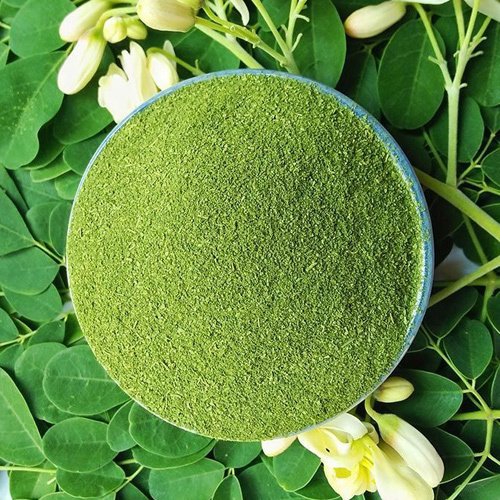
General guidance: 1–2 teaspoons of leaf powder a day, introduced gradually, is a reasonable ceiling for most people. If you’re pregnant, on regular medication, or unsure of your body constitution, a quick consultation is the safer route before making it a daily habit.
A Simple Two-Day Moringa Meal Plan
You don’t need moringa every day to benefit from it — working it into two days a week is a realistic, sustainable way to add it without overloading your system.
Day 1
- Breakfast: Moringa paratha — a teaspoon of powder kneaded into whole-wheat dough, stuffed with spiced potato or paneer.
- Lunch: Dal fry, jeera rice, cucumber salad (no moringa needed — balance matters more than adding it everywhere).
- Dinner: Moringa leaf paste blended with coriander and mint as the base for a chicken or paneer curry.
Day 2
- Breakfast: Green dosa or idli batter with a teaspoon of moringa powder whisked in, served with coconut chutney.
- Lunch: Whole-wheat roti wrap with mint chutney and roasted seasonal vegetables or paneer.
- Dinner: Moringa drumstick sambar with steamed rice — the pods themselves, cooked the traditional way.
Also Read: Ayurvedic Herbs For A Healthy Life
How Arogyadham Can Help
Adding a herb like moringa to your kitchen is a good first step, but Ayurveda works on the principle that the right herb, in the right dose, for the right body type, is what actually produces results. At Arogyadham, our doctors assess your prakriti (constitution) and current imbalances before recommending moringa or any herb as part of a treatment plan, whether that’s for cholesterol management, reproductive health, stress and mental wellbeing, or a full-body reset through Panchakarma.
If you’d like a personalised assessment of whether moringa, or another herb entirely, fits your constitution, book a free consultation with our team.
Frequently Asked Questions
Q1. Can I take moringa every day?
Ans: Yes, 1–2 teaspoons of leaf powder daily is considered safe for most healthy adults as a nutritional support. Pitta-dominant individuals should start with less and monitor how they feel.
Q2. Is moringa heating or cooling according to Ayurveda?
Ans: Heating. Its virya (potency) is classified as ushna (hot), which is why it pacifies Kapha and Vata but can aggravate Pitta if overused.
Q3. Can both men and women take moringa?
Ans: Yes. For men, its zinc and antioxidant content is often discussed in relation to prostate and reproductive health. For women, its iron and calcium content supports bone health and can be relevant during and after pregnancy — always under medical guidance.
Q4. Does cooking destroy moringa’s nutrients?
Ans: Extended high heat degrades vitamin C and some antioxidants. Stirring the powder into dal, soup, or curry just after turning off the heat preserves more of its nutritional value than cooking it from the start.
Q5. Can children take moringa?
Ans: In small amounts, yes — a quarter-teaspoon mixed into food is generally considered safe for growing children, but check with a pediatrician first given how concentrated the powder is.
Q6. How long before I notice a difference?
Ans: Digestion and energy levels often shift within 3–5 days of consistent use. Changes in skin, cholesterol, or blood sugar markers typically take 4–6 weeks of regular use to become measurable.
Q7. Can I take moringa while breastfeeding?
Ans: Talk to your doctor first. Traditional use includes moringa leaves for supporting milk production, but modern safety data during lactation is still limited. The roots and bark should never be consumed during breastfeeding.
Q8. Who should avoid moringa?
Ans: Pregnant women (roots and bark specifically), people on blood sugar or blood pressure medication without medical supervision, and Pitta-dominant individuals dealing with acidity or excess heat should either avoid it or use it only under guidance.
This article is for general information and is not medical advice. If you have a respiratory or heart condition, are pregnant, or are unsure whether these practices suit you, please speak to your doctor before beginning.

Brain Fog: Causes, Symptoms & Ayurvedic Treatment That Actually Works
Brain fog is not a disease. It is a group of symptoms like poor focus, forgetfulness, and feeling mentally slow. Common causes are poor...

क्या आपका दोष असंतुलित है? वात, पित्त और कफ बिगड़ने के 20 संकेत
रिपोर्ट में सब कुछ "नॉर्मल" है, फिर भी दिनभर थकान रहती है। पेट ठीक से साफ़ नहीं होता, नींद अधूरी लगती है, त्वचा बेजान दिखती है, और डॉक्टर...

गर्भधारण क्यों नहीं हो रहा है? महिलाओं और पुरुषों में बांझपन के 15 कारण (और आयुर्वेदिक समाधान)
जब महीने-दर-महीने कोशिश के बाद भी गुड न्यूज़ नहीं आती शादी के बाद हर दंपति के लिए माता-पिता बनने का सपना सबसे खूबसूरत पलों में से एक होता...

त्रिफला: आयुर्वेद का सबसे पुराना और भरोसेमंद नुस्खा — जो आज भी उतना ही काम का है
सोचिए — एक चीज़ जो 2,000 साल पहले भी इस्तेमाल होती थी और आज भी हर आयुर्वेदिक दुकान पर मिलती है। न कोई आकर्षक पैकेजिंग, न कोई बड़ा...
Ayurveda For Gut Health: The Ancient Secret To A Happy Digestive System
You finish a meal, and within minutes your stomach blows up like a balloon, or maybe you wake up every morning dreading the...
